Learning Outcomes
i. Define arthritis and identify its common causes.
ii. Recognize the symptoms associated with arthritis.
iii. Explore the various treatments and management strategies for arthritis.
i. Definition of Arthritis:
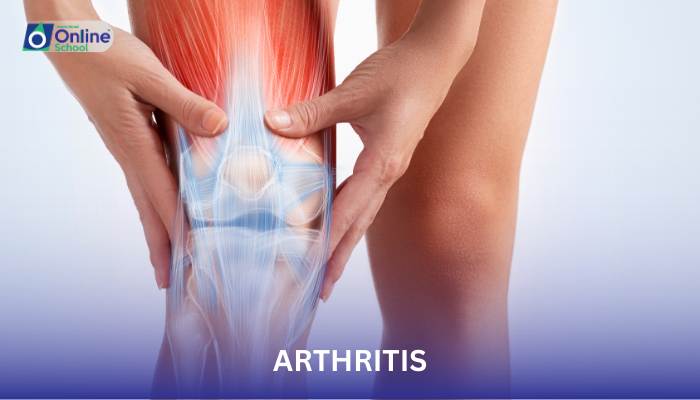
Arthritis is an umbrella term used to describe inflammation of one or more joints, leading to pain and stiffness that typically worsen with age.
ii. Common Causes of Arthritis
Osteoarthritis: The most common form, caused by the wear and tear of cartilage that cushions the ends of bones in joints over time.
Rheumatoid Arthritis: An autoimmune condition where the immune system mistakenly attacks the joints, leading to inflammation and joint damage.
Other Causes: Arthritis can also result from metabolic abnormalities, such as gout and pseudogout, infections, and even as a consequence of injuries.
iii. Symptoms of Arthritis
Joint Pain and Stiffness: Usually the first and most common symptoms, often worsening following periods of inactivity or overuse.
Swelling and Redness: The affected joints may swell, feel warm, and appear redder than usual.
Reduced Range of Motion: Inflammation and damage can limit the mobility of the affected joint.
Physical Deformity: In severe cases, especially with rheumatoid arthritis, joints can become deformed.
iv. Treatments and Management Strategies for Arthritis
Medications: These can include pain relievers, anti-inflammatory drugs, and steroids to reduce inflammation and pain, and disease-modifying antirheumatic drugs (DMARDs) for rheumatoid arthritis.
Physical Therapy: Exercises and techniques to improve joint flexibility and strengthen the muscles surrounding the joints.
Lifestyle Modifications: Weight loss, if necessary, to reduce stress on joints; adopting a diet that may help reduce inflammation.
Surgery: In severe cases, joint repair, replacement, or fusion surgery may be considered.
Supportive Therapies: Such as applying heat or cold to alleviate pain, using assistive devices, or engaging in complementary therapies like acupuncture.
In conclusion, arthritis encompasses a range of joint disorders characterized by inflammation and pain. While age and joint wear are significant contributors to the onset of arthritis, particularly osteoarthritis, other factors such as autoimmune disorders can also be the cause. Management of arthritis includes a combination of medication, physical therapy, lifestyle changes, and sometimes surgery to improve quality of life and joint function. Understanding arthritis's causes, symptoms, and treatments is crucial for effective disease management and patient care.
